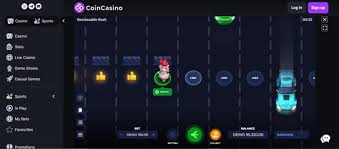
Demos play a crucial role in various industries, whether in technology, education, or entertainment. A well-executed demo can make the difference between a successful pitch and a missed opportunity. In this article, we will delve into the intricacies of creating effective demos, exploring their purpose, structure, and the skills necessary to deliver an outstanding presentation. Additionally, we will provide insights into how you can integrate professional tools and techniques into your demo creation process. For instance, check out demo Chicken Road for innovative ideas and resources related to demo creation.
Understanding the Purpose of a Demo
The primary aim of a demo is to showcase a product or concept in a way that engages the audience and clearly communicates its value. Demos serve various purposes, including:
Highlighting Features: Demonstrating how a product works and what makes it unique.
Educating Users: Teaching potential customers or users how to utilize a product effectively.
Generating Interest: Captivating the audience and prompting them to take further action, whether it be purchasing a product or requesting more information.
The Structure of a Successful Demo
A successful demo typically follows a structured format that keeps the audience engaged. The following components are essential:
Introduction: A brief overview of what the demo will cover, setting expectations, and establishing rapport with the audience.
Problem Statement: Clearly define the problem your product or service addresses. This helps the audience understand the relevance and importance of the demo.
The Solution: Present your product or idea as the solution to the identified problem. Highlight its features and benefits concisely.
Live Demonstration: Show the product in action. This is often the most critical part of the demo, as it allows the audience to see how it works in real-time.
Conclusion: Summarize the key points of the demo and reinforce the value of the product. Include a clear call-to-action, prompting the audience to take the next step.
Best Practices for Creating Demos
Creating an engaging demo requires careful planning and execution. Consider the following best practices:
Know Your Audience: Tailor your demo to fit the preferences and understanding of your audience.
Keep it Concise: Avoid overwhelming the audience with excessive details. Aim for brevity while providing essential information.
Use Visual Aids: Leverage visuals, such as slides or product mockups, to enhance understanding and retention.
Engage the Audience: Encourage interaction by asking questions or incorporating elements that invite participation.
Practice, Practice, Practice: Rehearse your demo multiple times to ensure smooth delivery and confidence.
Tools and Technologies for Demos
In the age of technology, many tools can help streamline the demo creation process. Some useful technologies include:
Presentation Software: Programs like Microsoft PowerPoint or Google Slides can help create visually appealing presentations.
Screen Recording Tools: Tools such as Camtasia or OBS Studio allow you to record software demos or tutorials effectively.
Prototyping Tools: UX/UI prototyping software like Figma or Adobe XD enables the creation of interactive demos that simulate the user experience.
Virtual Meeting Platforms: Use platforms like Zoom or Microsoft Teams for real-time demos, ensuring that you engage with remote audiences comfortably.
Real-World Examples of Effective Demos
To better understand how to create compelling demos, let's explore some real-world examples:
Salesforce: Salesforce uses comprehensive demos to showcase their customer relationship management (CRM) platform. They walk potential customers through real-time scenarios that demonstrate how their product can solve specific business challenges.
Trello: Trello effectively uses animated explainer videos as a demo to illustrate how their project management tool enhances team collaboration.
Apple: Known for its impressive product launches, Apple often features real-time demos during their keynotes, showcasing the capabilities of new devices in an engaging and visually striking manner.
Conclusion
Creating an engaging demo is an essential skill that can significantly impact your success, whether in business, education, or beyond. By understanding the purpose of a demo, structuring it effectively, following best practices, and utilizing the right tools, you can create a compelling presentation that resonates with your audience. Remember to keep iterating and improving your demos based on feedback and experiences to continually enhance your engagement skills. Start crafting your next great demo today!
Thông báo
var urlsite = 'https://go8816.club'; var urlhome = 'https://go8816.club/wp-content/themes/lpgo88';
var isCHPlay = false;
var isAppStore = true;
var isApk = true;
var isIpa = false;
var isAction = 1;